How low can Bordeaux go?

Dry January may be behind us but the ‘trend’ for no and lo alcohol (NoLo) rumbles on. 0% beers are well intrenched into most markets and wine is making progress. Unsurprising then that Bordeaux, the biggest fine wine region in France is joining the party.
My participation in Dry January was limited to joining theCurious Vines Panel with the theme Wellness at the Heart organised by Queena Wong. I tried to defend drinking wine in moderation alongside the NoLo experts, Angela Mount, from Spirits of Virtue, Irem Eren from Bev Zero, Katie Edmunds from TRIP, and Emma Heal, Managing Director of Lucky Saint. Pauline Vicard from Areni Global was tasked with keeping us in line and fielding questions from over 80 members of the trade and enthusiasts on hand to share samples and opinions.
Cherchez le vin
Although notable by its absence, dealcoholized wine was part of the conversation. The IWSR expects no and low alcohol beverage (NOLO) volumes to grow by 4% compound annual growth (CAGR) by 2028, with 7% volume CAGR for no alcohol across 10 key markets. Just as the market is demanding lighter wines, alcohol levels have risen steadily over the last decades thanks to improved viticulture, wine making and climate change. Familia Torres is investing nearly €6 million in a new dealcoholised wine warehouse in Penedès over the next two years, for its Natureo range of dealcoholised wines. One of the earliest low-alcohol brands on the market, where they expected a value growth of 20% this year!
Back to Bordeaux
But are the Bordelais are right to look to this market? The biggest NoLo growth is in Gen Z and Millennials who are no longer buying as much wine in general and Bordeaux in particular as previous boozy generations.
Technical
There are two categories of no alcohol ‘wine’, those that have had alcohol removed and those who didn’t have any to start with. Although it could be argued (and is by many producers) that neither are really wine, given its dictionary definition as an alcoholic drink made from grape juice. The two main ways of removing alcohol are vacuum distillation using spinning cones and reverse osmosis membrane filtering. Vacuum distillation at a relatively low temperature, around 30-40°C. allows alcohol to be removed gently, protecting aromas that also distil off.
Filtration, using reverse osmosis pushes wine through membranes that selectively separate alcohol while also preserving aromas. Neither is cheap nor perfect but it’s improving and growing. In both methods the wine is split into component parts to be ‘reassembled’ without the alcohol. A different process, not yet used in Bordeaux, was launched by Domain Villanoria, using non saccharomyces yeasts and bacteria to produce Levin, which sounds like grape based kombucha to me. His argument is the reduced carbon footprint which will appeal to producers who are already organic or sustainable, and many launching NoLo options are, see below. There is also the low option of choosing wines from cooler climates and lower sugar grape varieties of you want to keep things natural and sustainable.
Head start
NoLo beer is successful, it has a head start, and with less alcohol to remove, there’s less risk of pushing the product out of balance. Wine is trickier, removing alcohol affects all important mouth feel, without which the product can taste ‘watery’. Alcohol is often replaced with sugar or grape must which, for me, slightly defeats the objective if you are choosing these NoLo options for health reasons. My traditional palate finds many NoLo products too sweet, but I’m probably not the target audience, which includes soda drinkers. Without alcohol, tannins can show strongly, although making wines with lower tannins and more fruit, specifically for dealcoholisation could remedy this. Lower tannins mean less aging potential although this criticism seems fickle as honestly, are you really going to lay down these wines to age in your cellar?
Bordeaux in on the act
On your behalf dear readers, Alexander who runs Vinta Bordeaux, our family negociant, and I collected some samples of NoLo wine alternatives made in Bordeaux. I was surprised by how many Bordelais, from small producers to large cooperatives, are experimenting with red, white, rosé, still and sparkling NoLo offerings. More proof of the innovation across Bordeaux. We didn’t cover them all, if there’s any others you think we should try, do let me know in the comments below.

The things I do for you gentle readers……
These wines are outside Bordeaux AOC rules, but, in certain conditions, they may be sold as Vin de France, a label that can only mention the country of origin. One of the things we did see on these labels were sell by dates or best before dates, alcohol is a preservative after all.
The wines
Prince Oscar de Château Clos de Bouard by Coralie de Bouard
Coralie de Boüard is pretty sure she made the first Bordeaux alcohol-free wine. She’s no stranger to traditional wine production, starting her wine career at family Château Angélus, before running Château La Fleur de Boüard in Lalande de Pomerol and now at the head of her own 30 ha vineyard, Clos de Bouard in Montagne Saint Emilion. Coralie started experimenting in 2019, following a request from the Qatari owners of the PSG football team who wanted alcohol free wine to serve in the stadium. The first release of Prince Oscar was in 2021, by 2022 Coralie was producing 50 000 bottles and now, the 35 000 bottles represent 20% of the property’s production. Not only is the product a success but it allows her to reach a broader audience for her other wines. Her red Prince Oscar is made from 85% Merlot, 10% Cabernet Franc and 5% Cabernet Sauvignon a typical right bank blend. After malolactic fermentation and 18 months in barrel ageing, the finished wine is sent to Germany to be dealcoholized, re integrating the aromas before bottling. She’s added Eden, a white 100% Sauvignon blanc also barrel aged to the 0% range. Both in burgundy style bottles. These were by the priciest of the wines we tasted, retailing around €25 a bottle.

Château Lamartine,
Starting with 4 ha in 1977, the 3rd generation of the Gourraud family now farm 19 ha of Merlot driven vines at Château Lamartinein Castillon Côtes de Bordeaux alongside a small plot of Malbec dedicated to their ‘no added sulphites’ wine. They launched the Plaisir Anais white, red and rosé range in 2024. The wines are fermented in stainless steel to preserve the fruit with no oak influence before vacuum distillation in the region to reduce their carbon footprint. Presented in traditional Bordeaux shaped bottles the white and rosé have a slight ‘frizante’ texture which helps.

128 from Maison heritage in Puisseguin Saint Emilion is another right bank family initiative. They started making wine in the 1950s in the Loire Valley then transferred to Bordeaux after Benjamin Maison studied oenology here. They see their 0% wine as a continuation of their sustainable development that includes HVE, Terra Vitis and AREA certification. The packaging is chic and presented as an alternative to not a replacement for wine.

Small is beautiful
It’s unsurprising that Laurent David, owner of Saint-Emilion Grand Cru, Château Edmus is embracing innovation. He’s president of La Wine Tech, a Bordeaux wine innovation hub and previously worked for Nokia and Apple. He bought the tiny 1.6 ha property in 2019, was certified organic in 2020 and helped by the team at Stephane Derenoncourt Consultants, they are under conversion to biodynamics.1,200 bottles of Zero were made from the 2022 vintage and launched on the market in January 2024. It’s a sizeable 20% of the production. They use reverse osmosis to reduce the alcohol to 0.2% then improve sweetness and mouthfeel by adding grape must and gum arabic.

O/dacieux
Further north in the Côtes de Bourg Château Sauman produced a limited edition of a dealcoholised Merlot/Cabernet blend from the 2018 vintage (not all the NoLo show a vintage) alongside their traditional red, rosé and sparkling range. I love the back story of this wine, family owned for five generations, in 2019, it was bought by a retirement home company to supply their residents with quality wine. Only in France would you find a retirement home with chateau bottled wine on the table, I’m putting my name down now! I presume they have a good audience for their NoLo version too.

Raguenot Tip Top
The second generationRaguenot familymanage Château Haut Beyzac in the Haut-Médoc and Château des Tourtes in Blaye Côtes de Bordeaux. They produce a range of our ‘Tip Top’ dealcoholised wines, sparkling, rosé, white and red from wines made on their Blaye estate. They have invested in their own plant that vacuum distils allowing them to control the process, refusing artificial additives, synthetic aromas, sweeteners or liquid tannins. They produce a red (70% Merlot, 30% Cabernet-Sauvignon), rosé, a still and a sparkling (Sauvignon, Sémillon) white. Like many producers, these wines are part of a range reaching out to as broad a customer base as possible alongside their classic, and not so classic, red, white and rosé cuvées a sparkling red and white. Other innovations include a Vin’ature with no added sulphur and 25cl cans and BIBs of red, white and rosé AOC Bordeaux.

Zéro degree by Claousait
Brothers Laurent et David Siozard are 6th generation producers across several Bordeaux appellations including Entre deux Mers, Sauternes, Barsac and Graves. Their NoLo wines are from Chateau Claouset in the Entre deux Mers. Terra Vitis since 2016 and organic since 2023, they already produce a wide range of red, white, rosé, and IGP wines including single varietal and an orange wine. Their zero alcohol offering in white, red and sparkling is another string to their bow. The still white, with a cool label, is 100% Sémillon, the red 100% Merlot as is the sparkling Fines Bulles Blanc de Noirs.

Left bank
There’s NoLo on the left bank too, Nathalie and Julien Meyre are the 6th generation of Vignobles Meyre in the Médoc including Château Cap Léon Veyrin, Cru Bourgeois, Château Bibian Cru Bourgeois Supérieur in Listrac and Chateau Julien in Haut Médoc. Alongside their traditional wines, they offer Oh là là 50% Cabernet Sauvignon and 50% Merlot grown on their Haut Médoc terroir before vacuum distillation to remove the alcohol. Their aim is to keep the spicey fruit driven signature of the Médoc even in the absence of alcohol. Probably the best of the red options we tasted.

Size matters
Les Grands Chais de France is the largest wine producer and negociant in Europe, although their head office is in Alsace, they have a large production facility in Bordeaux with several famous Bordeaux negociants names in the group. Their NOZECOis one of the bestselling NoLo sparkling on the market now available as 20cl Nozeco minis white and rosé.
Cooperatives represent 25% of Bordeaux production. Buying the kit to remove alcohol is expensive but volumes like this can make it worthwhile.
Family first
At Sauveterre de Guyenne in the Entre deux Mers, Cooperative Bordeaux Families counts 300 members cultivating over 5 000 ha of vines, a size that helped their decisions to invest 2.5 million euros in 2023 in their own dealcoholisation unit. They believe starting with an unbalanced wine and using the process of removing alcohol to bring the wine back into balance is the key to a successful dealcoholized wine. The alcohol distilled off is sold for brandy production, and the aromas are reintroduced to the final no alcohol product. This is used across their no/low range from 0° to 12° alcohol and added to classic wines if needed to reduce the level of alcohol. They produce Sauv’terre 0.0% red, white and rosé, and under the label Malette, make original organic blends of red Cabernet and Grenache, a white Semillon Chardonnay, a Sauvignon Muscadelle and a blanc de noirs from Merlot. Their sparkling range includes Zephyr white and rose and Les Perles de Louis Vallon sparkling white and rosé. Bordeaux families is already known for their innovation and range of wines designed to appeal to a younger audience. The welcome page of the web site is a bit of a giveaway. They also produce Can, a sparkling water and wine mix with natural tropical fruit aromas at 5,5% vol, an IGP at 9° and are experimenting with 6°. Their target market for the NoLo are potential wine drinkers who are currently drinking beer or sodas. Perhaps it’s a stepping stone to convert them to wine?

Les Vignerons de Tutiac is also embracing the trend with their Moon white, Rosé and red , presented in clear bottles with a cartoon label that would appela to younger soda drinkers. They represent 500 wine makers with majority under organic production.

The 290 members of Les Caves de Rauzan, with their 35 degrés are looking to offer an alternative to wine, appealing to a new market. They produced 70 000 bottles in 2023 from their 2022 vintage organic white AOC Bordeaux. The Sauvignon, Sémillon, Muscadelle blend was dealcoholised in Germany and then natural redcurrant, pear and plum aromas were added making a very different and slightly odd product compared to the others on the market. Definitely destined for soda drinkers.

And if we just don’t ferment?
Not everyone is on board with the trend. Some producers argue that dealcoholisation is costly, inefficient, environmentally unfriendly and the resulting product often needs additives including sugar to make it palatable and pasteurising to protect against contamination.
A different approach is being championed in the Entre deux Mers, the philosophy is if you don’t put alcohol in you don’t need to take it out. This offers a more environmentally friendly less energy consuming alcohol free option, made from estate grapes grown with the same care as those destined for wine making. It’s an adult evolution of the grape juice often offered by properties to children accompanying parents on a wine tasting.
There’s an “Air de Fete” at Chateau Lestrille where owner wine maker Estelle Roumage offers the no alcohol option of a sparkling grape juice from hand harvested 100% organic Muscadelle. There’s no added sulphites or additives and Estelle knows all about Sparkling Muscadelle, it’s a variety she uses in her Crémant. She questions why you would work all year to produce a fine wine, caring for the grapes, the environment and the wine making to then change (denature) it completely by taking the alcohol out? It’s hard to argue with her or with her delicious and light sparkling juice that is closer to a wine than a traditional grape juice.

Château Bonnet has taken a similar path, their Oh Oui,both still and slightly sparkling, is also a non-fermented juice, 100% Sauvignon Blanc from their Entre deux Mers vines from the 2024 harvest. The grapes are picked 10-15 days earlier than wine grapes, for maximum acidity (2024 was the perfect year for a trial!) cold pressed into stainless steel for settling. The aromatic complexity of Sauvignon Blanc, even in slightly under ripe grapes, lends itself perfectly to this juice. The acidity and sugar are both natural. The sparkle come from adding CO2 at the point of bottling in house. Fans of Elderflower cordial will love this.

Juicyfruit
Dawn Cooper Jones, who makes organic white wines on the edge of the Entre deux Mers at Château de Monfaucon, also produces single varietal ‘Juicy’ 100% Muscadelle, Sauvignon and Semillon grape juice served in practical pouches that are naturally sweet but perfect diluted over ice or with sparkling water.

So, what did we think?
I work on the principal of if you have nothing good to say shut up, so I’m not going to bad mouth any of the wines. Although the majority were not wine like, some were palatable. There were some cidery/kombucha/vinegary aromas, and flavours. Watery mouth feel was an issue. Some were awful, some were pleasant drinks, they just weren’t wine.
The favourites across the tasters were the non-fermented fruit juices. They were balanced, refreshing and aromatic. Perhaps because they weren’t trying to be wine?
What’s in a name?
Do we need to manage consumer expectations with a different name for no alcohol wine? Not everyone buying these wines is looking for an exact replica of a wine experience but for an alternative. Some of the producers are clear that this is the market they are aiming for and it shows in their fun labels and names that clearly target a young and non traditional market. The dynamism reflects well on the producers in a wine market that is tough right now. Can these NoLo be part of a survival strategy in an increasingly competitive market place?
Investment in NoLo wine is increasing, there’s a curiosity around the product. I respect the effort, experimentation and investment wine makers are putting into this and I was impressed that the innovation is dominated by small producers. Many are already innovative either in their approach to grape growing and wine making, committed to sustainable production and are expanding their range beyond classic Bordeaux with IGP, Pet Nat, cans BIBs. I take my hat off to these producers innovating their way into new markets, embracing new, non-traditional drinkers and offering alternatives to existing clients. I wish them luck.
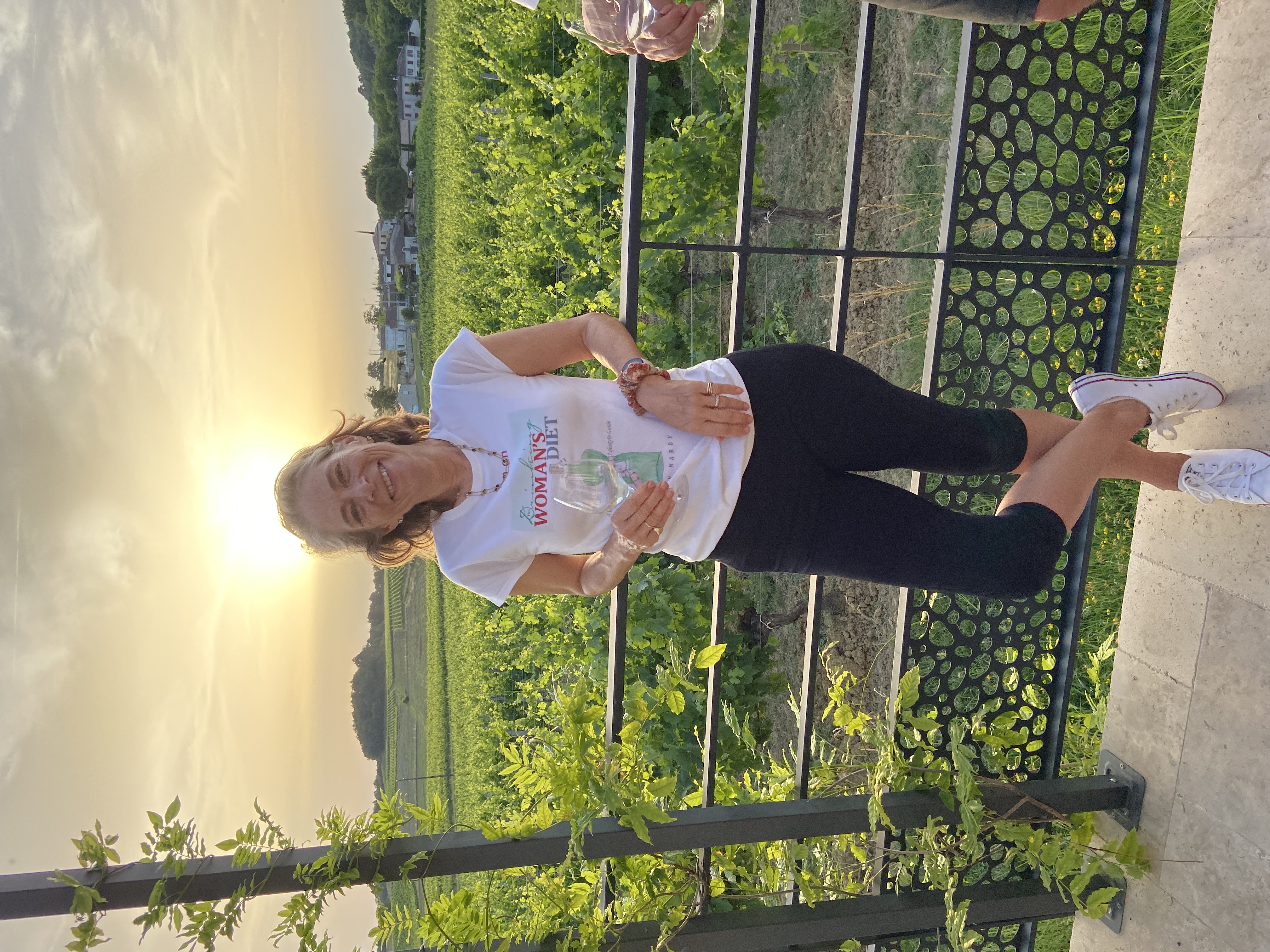
For the moment, I’ll be staying with the option of moderation, drinking reasonable amounts of fine wine putting onto practice the tips and tricks inThe Drinking Woman’s Diet, perhaps with a glass of bright sparkling grape juice when I’m driving home.

The truth of the tasting is in the bottles – the empties give away the tasters favorites
If you’re in Bordeaux and want to try these wines and others from further a field I recommend the Belles Grappes shop,17 rue père de Jabrun near Pey Berland in down town Bordeaux.
Thanks for reading right to the end, to receive future posts directly to your in box, please sign up here. Learn more about Bordeaux with the new Green Edition of Bordeaux Bootcamp, and explore Wine and Wellness, with The Drinking Woman’s Diet or just say hi here.