The Demon Drink or a Year of Magical Drinking?

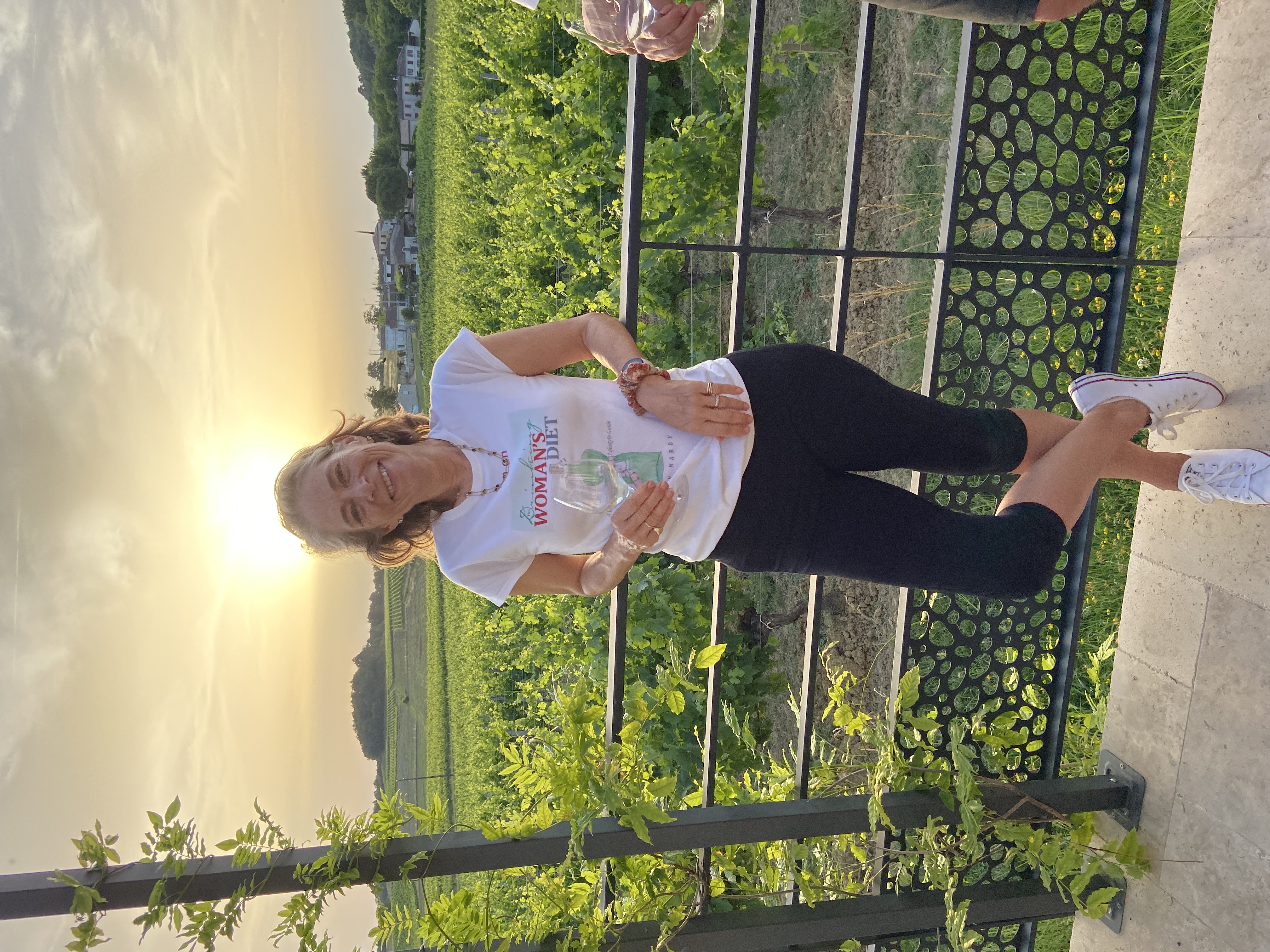
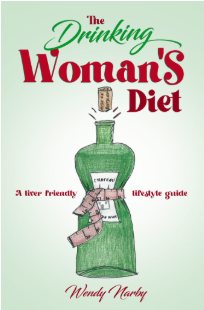
In 2018, I published The DrinkingWoman’sDiet and I’ve been banging on about wine and wellness ever since. But now the conversation has changed and for the wine industry, not for the better. You can’t open a newspaper or scroll through social media without an article or report about the dangers of alcohol consumption.
To top it all in January 2023, the WHO (World Health Organisation) pronounced that ‘No level of alcohol consumption is safe for our health’.
Wine consumption is down and this stark message will only accelerate the move away from alcohol. France is a dramatic example of the change. Around 60% of Bordeaux sales are to the home market where, according to the CNIV (Comité Nationaldes interprofessions des vins des appellations) per head consumption has fallen from 100 litres per person pa in 1975 (admittedly a high starting point) to less than 40 litres today. This goes a long way to explain the recent government subsidies for uprooting vines across France.
In key export markets, wine prices are rising, partly due to increased taxation but also production and distribution costs. In her end of year review‘ The State of Wine in 2023’ in the Financial Times, Jancis Robinson said that ‘it is becoming painfully clear to those who produce and sell it that wine is a discretionary purchase’. Jancis also underlined the problems that this move away from wine to other beverages is having in Bordeaux, particularly the Entre deux Mers and Northern Medoc, interestingly both areas of Bordeaux that offer some of the best value buys of the region.
The Demon drink
Despite traditionally considered a healthier option amongst alcoholic beverages, wine now seems to be in the cross hairs of the anti-alcohol lobby. As public messaging demonises wine consumption, the promotion of no and low options is on the rise, something we will surely see more of heading into dry January.
The consumer is changing, a lot of young people are receptive to health messaging. I wrote about the clean wine movement a while back, while the wine industry rightly criticised the misleading health claims around ‘clean’ wine in their own echo chamber, the implied message that most wine isn’t clean, is dangerous.
The new labelling legislation being introduced in Europe may help but the information about alcohol levels, which is what we are really concerned with here, is already clearly on the label.
Nothing new
There’s nothing new about neo-prohibitionists and the wine industry isn’t completely ignoring them. As early as 1990, Women for Wine sense (WWS) was created by two leading Californian women in wine, Michaela Rodeno and Julie Johnson. The aim was, and still is, to increase wine knowledge as a counterweight to the anti-alcohol lobby they were already contending with. The premise being a better understanding of wine leads to more responsible consumption. It’s a successful organization, a group from WWS came to Bordeaux several years ago and I’ve spoken at several of their events since. Their growing network of over 10 chapters throughout the US has a charitable arm that sponsors wine education for women in the industry.
Ten years ago, Europe created Wine in Moderation. Their social media campaign ‘’Cheers! Tips to enjoy a glass of wine while keeping safe‘ promotes ‘a message to encourage a moderate consumption of wine, and support wine professionals and consumers with positive and motivational words’. ‘Vins et Société‘ plays a similar role in France. Not exactly lobby groups for the industry but organizations that try to show a responsible face of the industry.
In 2019, at the Fine Minds for Fine Wine forum in Bordeaux, it was brought to the audience’s attention that certain sovereign investment funds were actively disinvesting in companies linked to spirits production (following on from tobacco). Is wine next?
The wine industry must communicate clearly around the subject and take a ‘reasonable’ stance before it’s taken for us, or taken away altogether . It’s not easy.
In a recent podcast Areni’s Editorial DirectorFelicityCarterreported back from the Lifestyle, Diet, Wine & Health Congress where doctors, scientists and researchers examined the minefield of wine and health, and the challenges to the benefits traditionally thought to be linked to moderate wine consumption. The Congress was organised by the Wine Information Council, and, the Foundation for Wine and Nutrition Research. Carter discovered that the evidence around health benefits of wine or, at least that it doesn’t cause harm, is complicated.
Follow the science
As important as it is to understand the science, I’m not sure communicating around possible health benefits of wine is a great strategy. The science can be contradictory and open to interpretation. Age and gender affect results and many studies rely on people self-reporting how much they drink, under reporting is an issue (lying about how much they drink). We know moderation is key, but the ‘less but better as part of a healthy lifestyle’ is a complicated and subtle message to promote, much more so than the “no safe level of consumption” message currently being shared. Differentiating between excess and the damage it causes and a healthy approach to drinking is a mine field. Make no mistake binge drinking is dangerous and the amount to qualify as a binge is probably less than you think.
Follow the money
Increased criticism of alcohol was inevitable given the evolution of the wellness industry. Make no mistake it is an industry, according to the Global Wellness Institute Wellness it was worth $5.6 trillion in revenue in 2022.
Who are these neo-prohibitionists and why are they trying to suck the joy out of our lives? Is it a genuine concern for our health? Is it a desire to save the national health service from the costs incurred by alcoholics (please note – alcoholics not alcohol). Western populations are getting older and sicker, diseases like cancer, diabetes and heart disease are increasing but alcohol is not the only culprit responsible for this ‘Global Burden of Disease’.
Is it easier to attack alcohol than sugar and Ultra Processed Foods (UPF)? Are the wine makers and booze companies less good at lobbying? The sugar and UPF industry seems to manage to maintain subsidies, or at least avoid criticism, for production of highly processed products such as high fructose corn syrup, a product as addictive as alcohol and much more ubiquitous. Are there lessons to be learnt?
Felicity Carter warned that the wine industry should be wary of under estimating both the funding and the passion of those promoting a no and low model. With Booze branding expert, Erica Duecy, they have created‘ The Business of Drinks’ podcast exploring the big questions in beverage alcohol. A podcast that follows the money in drinks – their interviews with no and low company founders are enlightening. A lot of the motivation from founders of no and low also comes from personal experience, which makes them so passionate and evangelical about their message.
Fighting talk
Wine producers are passionate too and they need to share their passion. We know stories sell, personal stories even more so and there are so many great ones in the wine business.
It’s no good putting our head in the sand and hoping that this too will pass. It might, but I doubt it. The stakes are high for the economic and also cultural importance of the wine industry, for all the alcohol industry. Spirits and beer are also part of the economic and social structure of their regions of production.
We have amazing origin stories to tell, stories of history, nature, environmental and social responsibility. Wine is a wonderfully diverse and fascinating product from vine to glass, made by passionate people. Despite the anti-alcohol movement, travellers are embracing wine tourism, giving us more opportunities than ever to share the love.
The pleasure principal
Instead of talking about the health benefits of moderate wine drinking, let’s shift the focus to the pleasures of drinking responsibly. The pleasure of sharing wine and the stories around wine with friends and the social benefits that brings. Social drinkers have a better friend network, an important source of mental health. Social drinking is not the same as solo binge drinking whilst watching Netflix.
We know moderate drinking can be part of a healthy lifestyle, ideally consuming wine with food such as the Mediterranean diet. Wine producers have so much to share, connecting their product to the place and to local culinary traditions that reinforce this positive message. Felicity Carter reported that the Congress talked a lot about the Mediterranean diet, how it’s possibly not wine alone that’s heart healthy, but its synergistic effect when paired with food rich in polyphenols.
How to drink
This is similar to the conclusion reached by Dan Buettner of Blue Zones fame. He concluded that social structure, often gathering around the table, enjoying sharing food and wine is one of the keys to living better and longer. It’s also about how, as well as what and how much we eat and drink.
What not to say.
Irresponsible promotion around ‘Mommy Juice’, Wine o’clock and representing wine as a go-to stress reliver at the end of the day is not helping the industry. The anti-alcohol message, seems to be targeting women, perhaps in response to this irresponsible attitude to drinking. Women are traditionally more aware of and responsive to health messaging. There are also physiologically reasons, women metabolise alcohol more slowly than men and are more susceptible to harm from excess.
The Drinking Woman’s Diet – time for a rebrand?
Time for a rebrand?
When I published the Drinking Woman’s Diet it was inspired by friends struggling to get the balance right, to enjoy wine without damaging their health. It was intended as a practical but light-hearted look at how moderate wine consumption can be part of a healthy lifestyle. The title was perhaps misleading, despite my job as a wine educator I wasn’t trying to encourage women to drink, nor find an excuse for it. The landscape has changed, and as I’m now updating the book, perhaps it’s time for a rebrand as the discussion gets serious?

This year, with wine maker Sally Evans at ChâteauGeorge 7 in Fronsac, we launched the Wineand2veg website. The objective is to look at how wine can be part of a plant based life style, how to match wine with veg. Drinking wine with food is protective in two ways, firstly, it slows the absorption of alcohol, blood alcohol levels rise more slowly, you get less intoxicated and there is less damage to the liver. There’s that possible synergy between plant polyphenols and those in wine, it’s a win – win. It’s also a way of engaging with consumers aware of the benefits of a plant based diet, showing that the wine world is open to them too.
The magic is in the wine
I don’t drink wine because it’s good for me. I drink wine because I love it, I love sharing it with friends, I love the histories, the stories and the people behind the product.
Wine and wellness can work, but the messaging around pleasure and a shared passion is so much more engaging then either a puritanical dictum or a struggle to justify wine drinking for its health benefits.
Let’s make 2024 the year we share our passion for the magic of wine?

Happy New Year
If you enjoyed this, please sign up to receive future blog posts directly to your in box and don’t hesitate to post comments and questions below, I love hearing from you.